Diplomatic Channels Remain Stagnant as Regional Tensions Rise
Diplomatic efforts to resolve the US-Iran conflict have stalled, with both sides rejecting new proposals as military exchanges continue.
Your ad here — 728×90 banner space
Diplomatic efforts to de-escalate the conflict between the United States and Iran have reached a standstill, with both nations appearing increasingly entrenched in their respective positions. Despite occasional reports of back-channel communications, officials from both Tehran and Washington have publicly rejected recent proposals aimed at ending the hostilities that began in late February. The lack of progress is compounded by the ongoing military exchanges, which have expanded to include strikes on regional allies, including Kuwait, Jordan, and Bahrain. Analysts suggest that the absence of a clear diplomatic framework is fueling the current cycle of escalation, as both sides prioritize military posturing over negotiation. The rhetoric from Washington, including proposals to rename the Strait of Hormuz, has further complicated the diplomatic landscape, drawing sharp rebukes from Iranian leadership. Meanwhile, regional powers are calling for a more unified and cohesive response to the aggression, emphasizing that the conflict threatens the stability of the entire Gulf. As the war continues to impact global markets and energy security, the window for a negotiated settlement appears to be closing. Without a significant shift in policy or a breakthrough in mediation efforts, the current state of diplomatic stagnation is expected to persist, leaving the region vulnerable to further military volatility.
Related Intel
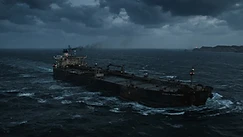
Diverging Transit Estimates Expose Fog of War Across Middle East Energy Routes
Conflicting transit claims from Washington and maritime tracking services underscore how information warfare has become central to energy price discovery.
Dual Blockade Dynamics and War Risk Premiums Paralyze Hormuz Commercial Vessel Throughput
Structural maritime paralysis grips the Persian Gulf as war-risk insurance premiums reaching eight percent combine with active minelaying to throttle baseline throughput.
Strait Risk Matrix Elevates as Daily AIS Transits Compress to Low Single Digits
Real-time maritime tracking indicates commercial vessel transits through the Strait of Hormuz have collapsed to historic lows, with only four active merchant hulls tracked along the primary corridor.