Diplomatic Channels Explore Transit Fee Frameworks and Chokepoint Mitigation Measures
Regional intermediaries advance proposals for commercial corridors and toll mechanisms as Washington accelerates alternative strategic supply initiatives.
Your ad here — 728×90 banner space
Intensive backchannel diplomacy has surfaced across regional capitals in an effort to establish predictable maritime protocols through the troubled Strait of Hormuz. Following high-level mediation led by Qatari and Omani officials, discussions in Tehran have centered on potential de-escalation frameworks, including coordinated mine-clearing schedules and the formalization of monitored transit corridors.
According to regional reporting, Iranian authorities and allied commercial entities have explored models establishing recognized passage lanes subject to regulated maritime administrative fees and verification checks. Semi-official Iranian outlets reported that select merchant carriers have resumed limited movements under structured bilateral arrangements, while regional neighbors continue seeking neutral arbitration to prevent outright economic paralysis across Gulf trade hubs.
Concurrently, Western policymakers are accelerating long-term supply diversification strategies designed to dilute the strategic weight of Middle Eastern maritime bottlenecks. U.S. officials have signaled increased reliance on alternative crude sources, pursuing major long-term access agreements to develop Venezuelan crude reserves to backstop Strategic Petroleum Reserve (SPR) replenishments following sustained domestic inventory draws of 4.5 million barrels per week.
Market strategists emphasize that while diplomatic corridor talks and alternative upstream projects provide critical medium-term hope, immediate risk mitigation remains exceptionally complex. The implementation of ad-hoc transit fees or contested regional toll structures risks institutionalizing legal friction under international maritime law and freedom of navigation principles. For commercial charterers, the lack of a comprehensive multilateral agreement means that logistics planning across the Gulf will remain subject to sudden disruption and elevated compliance risk for the foreseeable future.
Related Intel
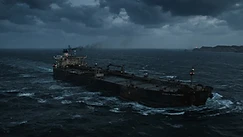
Diverging Transit Estimates Expose Fog of War Across Middle East Energy Routes
Conflicting transit claims from Washington and maritime tracking services underscore how information warfare has become central to energy price discovery.
Dual Blockade Dynamics and War Risk Premiums Paralyze Hormuz Commercial Vessel Throughput
Structural maritime paralysis grips the Persian Gulf as war-risk insurance premiums reaching eight percent combine with active minelaying to throttle baseline throughput.
Strait Risk Matrix Elevates as Daily AIS Transits Compress to Low Single Digits
Real-time maritime tracking indicates commercial vessel transits through the Strait of Hormuz have collapsed to historic lows, with only four active merchant hulls tracked along the primary corridor.