High-Stakes Diplomacy Targets Iranian Restraint as Retaliation Window Remains Open
U.S. Secretary of State Antony Blinken characterizes the current regional tension as a 'critical moment' amid reports of active communication with Tehran via intermediaries.
Your ad here — 728×90 banner space
U.S. Secretary of State Antony Blinken has intensified his diplomatic outreach, describing the current state of Middle Eastern affairs as a 'critical moment' that requires urgent restraint from all parties. Following a series of high-level calls with the foreign ministers of the G7 nations and regional leaders in Jordan, Egypt, and Qatar, Blinken emphasized that a major escalation would benefit no one and could lead to an uncontrollable cycle of violence. The diplomatic blitz is focused on two primary objectives: persuading Iran to calibrate its promised response to the assassination of Hamas leader Ismail Haniyeh in Tehran, and urging Israel to maintain a defensive posture. Iran has officially informed several Arab diplomats that it views the assassination as a violation of its national sovereignty and that it possesses a 'legal right' to punish the aggressor. However, the U.S. and its allies are hoping to convince Tehran that a limited response, similar to the drone and missile salvo in April 2024, would allow for a face-saving exit without triggering a full-scale Israeli counter-offensive. Jordan's Foreign Minister Ayman Safadi recently made a rare trip to Tehran to deliver a message of de-escalation, highlighting the concern among neighboring states that they could be caught in the crossfire of a regional missile war. The Organization of Islamic Cooperation (OIC) is scheduled to hold an emergency meeting in Jeddah on Wednesday at the request of Iran and Pakistan, which will serve as another platform for Tehran to voice its grievances while also providing an opportunity for regional powers to lobby for restraint. Within the U.S. administration, there is a growing realization that the window for a ceasefire deal in Gaza—which is seen as the ultimate 'off-ramp' for regional tensions—is closing rapidly. Despite the friction, the U.S. continues to push for a three-phase plan that would see the release of hostages and a permanent end to hostilities. Military experts suggest that Iran and Hezbollah may be coordinating a multi-front response that targets military infrastructure rather than civilian centers to avoid a 'total war' scenario. The next 48 hours are considered vital for these diplomatic efforts, as the strategic delay by Iran suggests they are weighing the cost of a massive strike against the diplomatic isolation it might provoke.
Related Intel

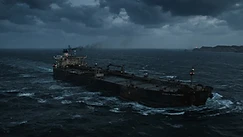
Diverging Transit Estimates Expose Fog of War Across Middle East Energy Routes
Conflicting transit claims from Washington and maritime tracking services underscore how information warfare has become central to energy price discovery.
Dual Blockade Dynamics and War Risk Premiums Paralyze Hormuz Commercial Vessel Throughput
Structural maritime paralysis grips the Persian Gulf as war-risk insurance premiums reaching eight percent combine with active minelaying to throttle baseline throughput.
Strait Risk Matrix Elevates as Daily AIS Transits Compress to Low Single Digits
Real-time maritime tracking indicates commercial vessel transits through the Strait of Hormuz have collapsed to historic lows, with only four active merchant hulls tracked along the primary corridor.