Commercial Traffic Plummets in Strait of Hormuz Following Naval Projectile Strikes and Mine Claims
Commercial transits across the Strait of Hormuz dropped sharply to six vessels after multiple tankers sustained projectile damage and mine strikes were reported. Commercial fleets and global ship operators are revising transit protocols as disruptions stretch toward year-end.

Your ad here — 728×90 banner space
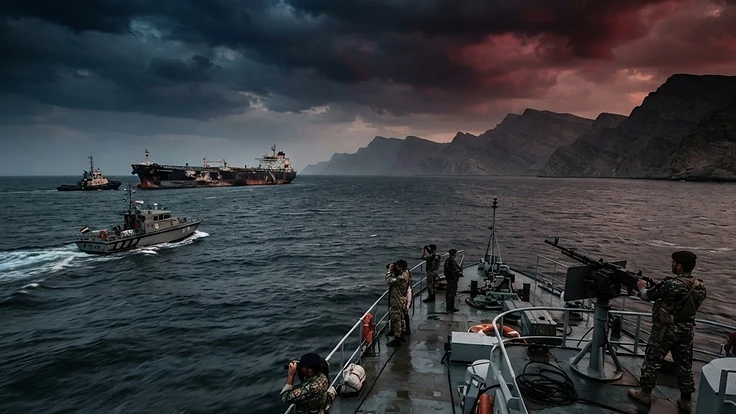
Commercial transit figures through the Strait of Hormuz suffered a steep decline mid-week, dropping to just six commodity vessels in a 24-hour window from 11 on the previous day, falling well short of the recent rolling 10-day average of nearly 13 vessels according to transit monitoring reported by Trading Economics. The drop in maritime activity reflects immediate defensive posturing from shipowners following a rapid sequence of kinetic strikes targeting merchant hulls.
Recent maritime security reports confirmed that a Sinokor Very Large Crude Carrier (VLCC) was struck three times while attempting passage through the waterway, highlighting the severe hazards confronting non-aligned merchant assets as reported by Seatrade Maritime News. Concurrently, Iranian state outlets announced that two oil tankers had been disabled by sea mines deployed near the shipping channel. Although American defense officials disputed claims that naval mines had successfully crippled vessels, the reports generated immediate panic across commercial insurance syndicates.
Mitsui O.S.K. Lines, the world's largest tanker operator, formally advised that operational conditions inside the Strait of Hormuz are unlikely to normalize before the end of the year. The carrier emphasized that the recurrence of hostilities had dismantled fragile temporary navigation corridors, forcing operators to reconsider routing strategies. Maritime risk consultancies note that upwards of 80% of regional transits attempting passage have altered courses to navigate directly through territorial Omani waters along the Musandam peninsula, seeking geographical separation from Iranian coastal anti-ship batteries.
Compounding operational paralysis, thousands of merchant seafarers remain stranded across Gulf anchorages as master mariners refuse passage without international surface combatant escorts. Crew welfare organizations noted growing pressure on international shipping registries, particularly in the Philippines, as crews invoke statutory danger clauses to disembark at regional safe harbors. With war risk insurance premiums surging, commercial charterers are confronting unprecedented operational costs alongside prolonged supply chain delays.