Maritime Interdiction: CENTCOM Neutralizes Houthi Aerial Threats in Southern Red Sea
US Central Command forces successfully engaged and destroyed four unmanned aerial systems in Houthi-controlled areas of Yemen to safeguard commercial shipping.

Your ad here — 728×90 banner space
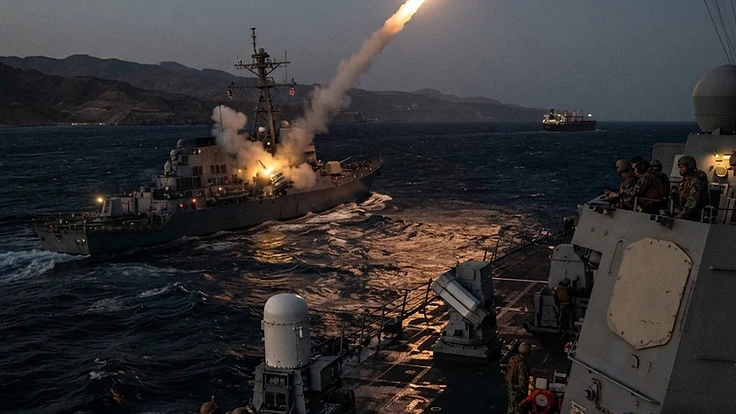
In a series of defensive engagements over the last 24 hours, US Central Command (CENTCOM) forces successfully identified and neutralized four unmanned aerial systems (UAS) launched from Houthi-controlled territories in Yemen. These operations were conducted in the southern Red Sea and the Gulf of Aden, regions that remain critical bottlenecks for global maritime trade. According to official CENTCOM statements, the assets were determined to present an imminent threat to both US coalition forces and merchant vessels transiting the international shipping lanes. The Houthis, widely understood to be supported by Iranian intelligence and logistics, also reportedly launched two anti-ship ballistic missiles (ASBMs) during this period. No damage or injuries were reported by US, coalition, or commercial ships in the vicinity, indicating a high success rate for the current integrated air defense umbrella. The Sentinel Desk observes that despite months of Operation Prosperity Guardian and targeted strikes on Houthi radar and launch facilities, the group maintains a significant inventory of long-range strike capabilities. This persistence underscores the complexity of the 'Interdiction Dilemma' facing the US Navy: the high cost-to-kill ratio of using sophisticated interceptors against low-cost drones. Furthermore, industry data indicates that insurance premiums for Red Sea transits have remained elevated, with some insurers now requiring a 'war risk' surcharge that can exceed 1 percent of the vessel's hull value. Shipping giants like Maersk and Hapag-Lloyd continue to divert the majority of their Asia-Europe fleet around the Cape of Good Hope, adding approximately 10 to 14 days to transit times and increasing fuel consumption and carbon emissions. The tactical reality remains that while CENTCOM can successfully defend against individual attacks, the threat environment is sufficient to deter a full-scale return of commercial traffic to the Suez Canal. For the Hormuz Sentinel intelligence desk, the ongoing nature of these engagements suggests that Tehran is content to let the Houthis maintain a 'simmering conflict' that drains Western resources and maintains pressure on the global supply chain without necessitating a direct Iranian confrontation with US naval assets.