CENTCOM Destroys Houthi UAVs in Red Sea to Counter Persistent Maritime Threats
US Central Command forces neutralized multiple Houthi-controlled uncrewed aerial vehicles within the last 24 hours to ensure freedom of navigation.

Your ad here — 728×90 banner space
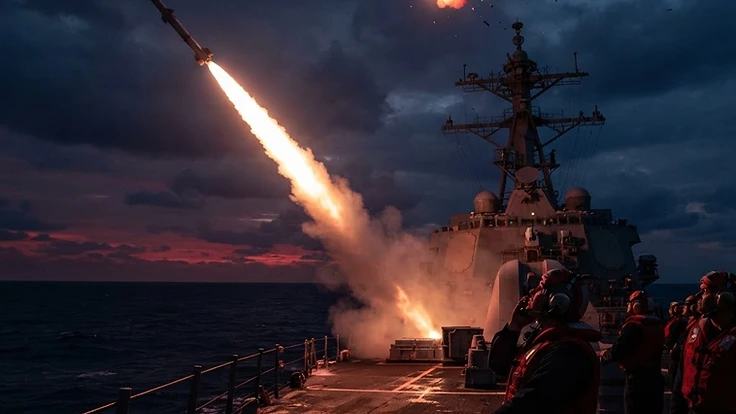
In a series of defensive actions conducted on July 25 and 26, 2024, US Central Command (CENTCOM) forces successfully destroyed six Iranian-backed Houthi uncrewed aerial vehicles (UAVs) over the Red Sea. The engagement follows a week of heightened maritime tensions in the Bab el-Mandeb strait, as the Houthi rebels in Yemen continue to target commercial shipping in purported solidarity with Gaza. According to the official statement from CENTCOM, these assets presented an 'imminent threat' to US and coalition forces, as well as merchant vessels in the region.
This latest interception highlights the sustained nature of the Houthi campaign, which has moved beyond simple drone strikes to include more complex multi-domain attacks involving anti-ship ballistic missiles (ASBMs). While no vessels were damaged in the most recent 24-hour period, the persistent threat has forced major carriers like Maersk and MSC to maintain their diversions around the Cape of Good Hope. These diversions have added between 10 to 14 days to transit times and increased fuel costs for the global shipping industry by approximately 30%.
Security analysts at the Hormuz Sentinel Desk note that the Houthi capability remains remarkably resilient despite months of Operation Prosperity Guardian strikes. The group’s ability to manufacture and launch low-cost drones continues to challenge the cost-benefit ratio of the US Navy, which often uses high-cost interceptor missiles to neutralize these threats. There are also increasing reports of Iranian technical advisors providing real-time intelligence to Houthi launch cells, further complicating the defensive environment.
The strategic implication for the Strait of Hormuz remains a primary concern for the Pentagon. While the Houthis are currently focused on the Red Sea and Gulf of Aden, the potential for Iranian-directed harassment in the Persian Gulf remains high. Any escalation in the Levant or a direct Israeli strike on Iranian soil could prompt Tehran to activate its assets in the Gulf, potentially mirroring the Houthi tactics to block energy exports. Shipping companies are advised to maintain strict AIS protocols and utilize private maritime security details when transiting the northern Arabian Sea.