Araghchi Rejects Immediate Resumption of Nuclear Talks Amid Escalating Gulf Hostilities
Iranian Foreign Minister Abbas Araghchi has signaled that Tehran is not ready to return to the negotiating table, prioritizing military posturing over diplomatic engagement.
Your ad here — 728×90 banner space
The prospects for a diplomatic resolution to the ongoing U.S.-Iran conflict have dimmed significantly following statements from Iranian Foreign Minister Abbas Araghchi. Over the weekend, Araghchi indicated that Tehran has not yet decided to resume talks with the United States, effectively stalling the momentum generated by the June memorandum of understanding. This diplomatic freeze comes at a critical juncture, as the region observes a weeklong funeral period for the former Supreme Leader, Ali Khamenei, during which all formal negotiations have been suspended. An adviser to the Iranian leadership warned that if diplomacy continues to fail, Tehran is prepared to shift its strategy toward 'offensive' actions rather than relying on the defensive posture it has maintained for much of the summer. This shift is already visible in the Strait of Hormuz, where Iran has published a restrictive draft plan for transit that would require all inbound traffic to move through Iranian-controlled waters. The U.S. State Department, led by Secretary Marco Rubio, has maintained a firm stance, with the administration reinstating blockades on Iranian ports and launching retaliatory strikes against military infrastructure. The collapse of the ceasefire, which President Trump declared effectively over last Wednesday, has left a vacuum that is currently being filled by military escalation. Analysts suggest that Iran's current defiance is a calculated move to gain leverage before any potential return to the bargaining table, but the risk of miscalculation remains high. The Islamic Revolutionary Guard Corps (IRGC) has already demonstrated its willingness to target U.S. military installations in Kuwait and Bahrain, claiming these strikes are a direct response to U.S. operations against Iranian coastal facilities. As long as the funeral rites continue and the military exchange persists, the 'Mecca Pact' and other regional security frameworks remain on hold. The international community, particularly mediators in Oman and Qatar, are struggling to find a middle ground as both Washington and Tehran trade accusations of violating the terms of the previous truce. For now, the 'diplomatic track' is secondary to the 'military track,' a reality that is reflected in the stagnant shipping volumes and volatile energy markets.
Related Intel
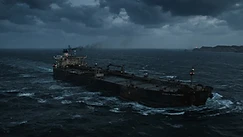
Diverging Transit Estimates Expose Fog of War Across Middle East Energy Routes
Conflicting transit claims from Washington and maritime tracking services underscore how information warfare has become central to energy price discovery.
Dual Blockade Dynamics and War Risk Premiums Paralyze Hormuz Commercial Vessel Throughput
Structural maritime paralysis grips the Persian Gulf as war-risk insurance premiums reaching eight percent combine with active minelaying to throttle baseline throughput.
Strait Risk Matrix Elevates as Daily AIS Transits Compress to Low Single Digits
Real-time maritime tracking indicates commercial vessel transits through the Strait of Hormuz have collapsed to historic lows, with only four active merchant hulls tracked along the primary corridor.