The $120 Oil Scenario: What Happens If Hormuz Disrupts
A disruption to the Strait of Hormuz would be unlike any oil shock in modern history. We model the immediate market, consumer, and geopolitical fallout.

Your ad here — 728×90 banner space
The scenario
If the Strait of Hormuz were partially or fully disrupted, the world would face an oil supply shock with no modern precedent.
Hour 0–24: Price shock
Brent would gap higher immediately. Our base estimate: $120–$140 per barrel within the first trading session, as the market prices a 15–20 million barrel-per-day supply disruption.
Days 1–7: Consumer impact
Gasoline prices would surge $0.50–$1.00 per gallon within a week, even before crude fully reflects the shock.
Days 7–30: Economic spillover
- Inflation: Energy-driven CPI re-accelerates
- Central banks: Rate-cut bets unwound
- Equities: Risk-off; energy and defense outperform
- Currency: Dollar bid as safe haven
The buffer
The IEA estimates global strategic petroleum reserves hold roughly 1.2 billion barrels of usable stock. A prolonged closure would exhaust buffers within weeks.
How to prepare
This is exactly why we built the Preparedness Hub. Start with energy independence and a 30-day supply buffer.
Related Intel

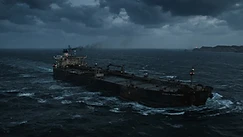
Diverging Transit Estimates Expose Fog of War Across Middle East Energy Routes
Conflicting transit claims from Washington and maritime tracking services underscore how information warfare has become central to energy price discovery.
Dual Blockade Dynamics and War Risk Premiums Paralyze Hormuz Commercial Vessel Throughput
Structural maritime paralysis grips the Persian Gulf as war-risk insurance premiums reaching eight percent combine with active minelaying to throttle baseline throughput.
Strait Risk Matrix Elevates as Daily AIS Transits Compress to Low Single Digits
Real-time maritime tracking indicates commercial vessel transits through the Strait of Hormuz have collapsed to historic lows, with only four active merchant hulls tracked along the primary corridor.